

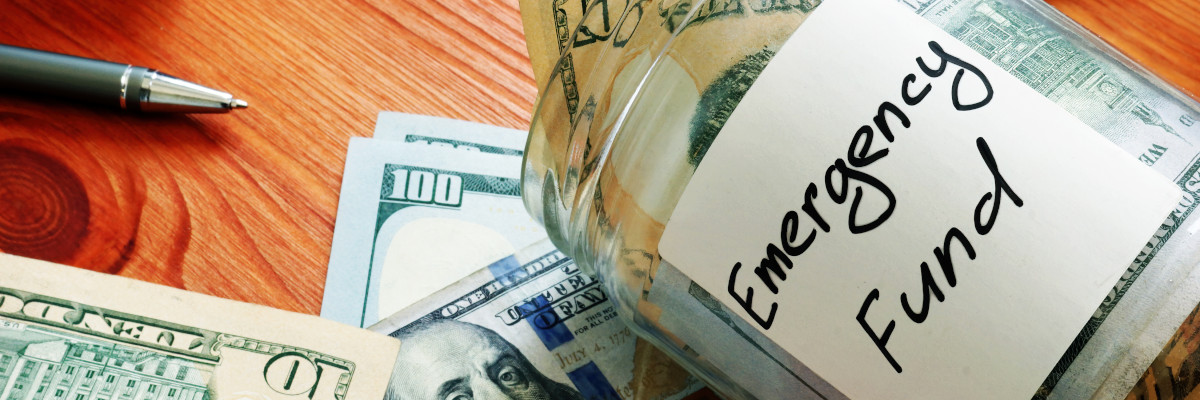
No one can predict when or how an emergency will happen. But when life throws an unexpected expense your way, having financial breathing room can provide peace of mind while you recover.
An emergency fund helps you prepare for situations like car repairs, a leaking roof or an unplanned medical bill. It also can prevent you from making a financial decision you’ll regret later, such as dipping into retirement savings, relying on a high-interest credit card or taking out a personal loan.
Even a surprise $1,000 expense can push many people into debt. In fact, research shows that roughly 40% of Americans don’t have enough saved for a minor emergency. The good news is that building an emergency fund is achievable with consistency and a clear plan. So, how do you get started?
What Is an Emergency Fund?
An emergency fund is money set aside specifically for unexpected expenses that could disrupt your finances. Common examples include medical emergencies, car trouble, home repairs and job loss.
Because these situations often exceed your monthly budget, many experts recommend saving enough to cover three to six months of essential expenses. A few helpful guidelines include:
- Keeping your emergency savings separate from your everyday spending account.
- Making regular deposits, so your fund grows steadily over time.
- Using automatic transfers from your paycheck or checking account to stay consistent.
- Storing your savings in an account that is accessible, safe and earns interest.
Why Build an Emergency Fund?
Emergencies generally fall into two broad categories:
- Short-term unexpected expenses, such as a one-time car repair or urgent home repair.
- Longer-term income disruptions, such as job loss or time away from work due to illness or injury.
In both cases, having reserves can help keep your life stable while you handle the sudden situation. An emergency fund can:
- Stop you from taking on additional debt through loans or credit cards
- Protect your long-term savings meant for retirement or future goals
- Prevent missed payments that could damage your credit score
How to Build an Emergency Fund
What matters most is staying consistent, not starting with a large sum of money upfront.
Break Down Your Monthly Budget
Begin by understanding where your money goes each month. Listing expenses can help you identify what’s essential and where you may have flexibility. Consider separating:
- Fixed necessities, such as rent or mortgage payments, utilities, food and transportation.
- Discretionary spending, such as dining out, streaming services, shopping or hobbies. Even small adjustments can free up money to put toward savings.
Set a Realistic Savings Goal
Once you understand your baseline expenses, determine what it would take to cover at least three months of essentials. To get started:
- Save a small amount from each paycheck – even $20 is progress!
- Focus on reaching your first milestone, such as $500 or one month of expenses.
- Keep contributions manageable, so saving money feels sustainable.
Emergency savings are built step by step, not overnight.
Make Saving Automatic
One of the easiest ways to grow your emergency fund is to treat it like a recurring bill. To stay on track:
- Set up automatic transfers into your emergency account each pay period
- Increase contributions gradually as your income grows
- Track your progress monthly to stay motivated
Starting early also allows you to benefit from interest over time, helping your savings grow faster.
Choose the Right Place to Keep Your Fund
An emergency fund should be somewhere secure, accessible and low risk. Good options include:
- High-yield savings accounts, which earn more interest than traditional savings
- Money market deposit accounts, which offer competitive rates with easy access
- Separate savings accounts dedicated only to emergencies
The key is to keep your money available when needed, without exposing it to market volatility or withdrawal restrictions.
Know How to Distribute and Grow Your Money
It’s helpful to define what truly qualifies as an emergency. Your fund is meant for major, unexpected expenses, not everyday purchases. Examples include:
- Essential home repairs, such as a broken HVAC system or roof damage
- Unplanned medical bills
- Temporary income loss due to job disruption
If an expense won’t cause financial hardship, you may be able to leave your fund untouched. And if you do need to use it, aim to rebuild your savings as soon as possible afterward.
Ready to Set Up an Emergency Fund?
To get started, explore savings products offered by NVE Bank, A Division of Ion Bank. Our team can help you choose the right account and build a plan that supports your goals. Contact us today!